Snowshoe Mountain Resort, a business history
Fifty Years, Seven Owners
A dentist flew over a logged-out ridge in 1973 and saw a ski resort. What followed was bankruptcy, a sale to lenders, a Japanese developer, a Canadian village builder, a hedge fund and, since 2017, Alterra Mountain Company.
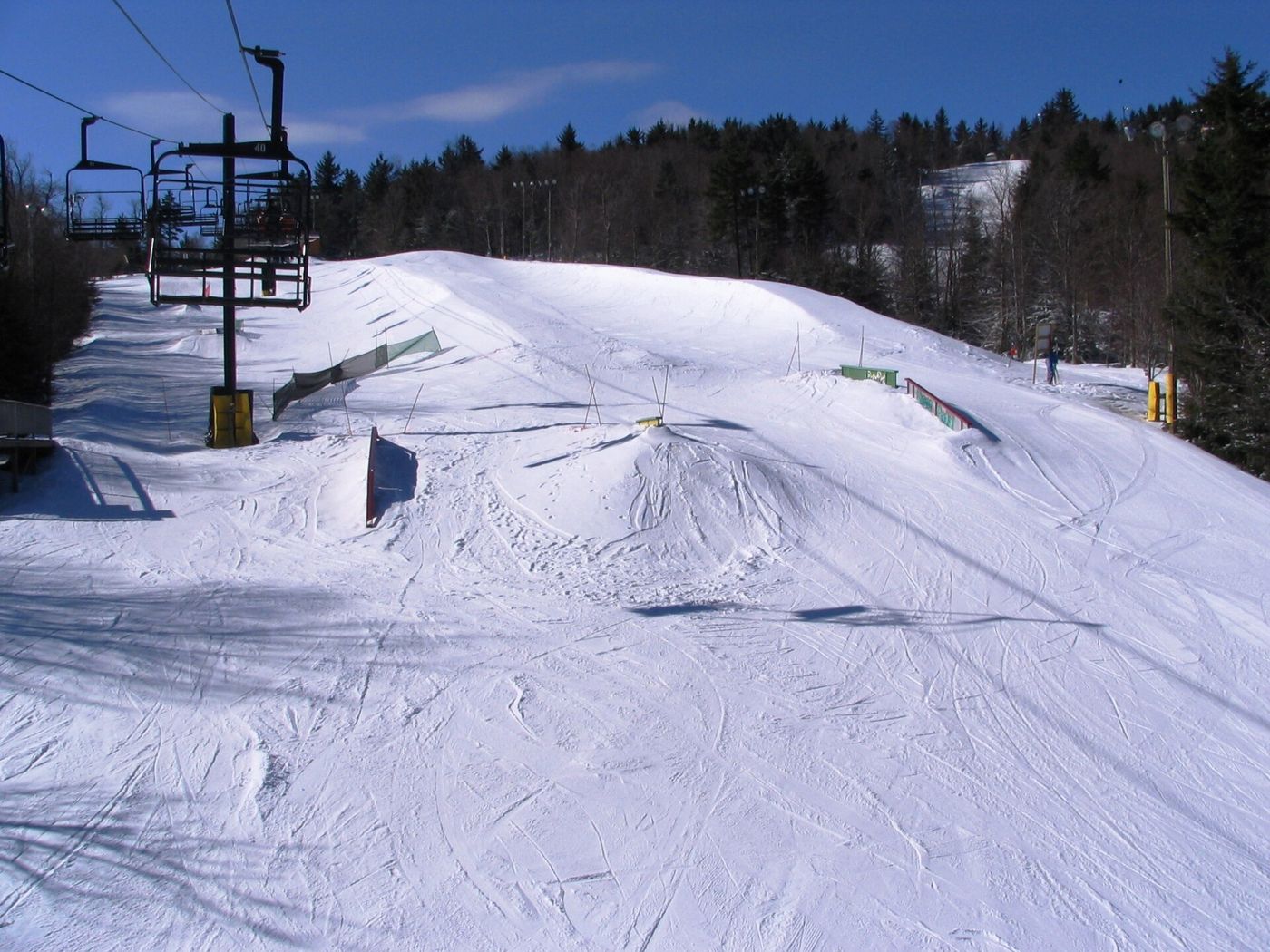
Snowshoe Mountain Resort has changed hands more often than most American ski areas its size. The chain of ownership runs from founder Thomas Brigham through a bankruptcy trustee, a group of lenders, Tokyo Tower Development, Intrawest, Fortress Investment Group, and finally the private equity partnership that became Alterra Mountain Company.
The land
The resort sits on the southern end of Cheat Mountain, near Thorny Flat.1 The land had belonged to the West Virginia Pulp and Paper Company, which logged it from 1901 to 1960.2 By the time a developer came looking, the ridge was cut over and largely empty.
The founder
Thomas H. "Doc" Brigham was a dentist who had already built ski areas in the South. He was an Alabama dentist who spent years in North Carolina, where he developed Sugar Mountain and Beech Mountain, and he is sometimes described as a North Carolina dentist for that reason.34
The starting date is precise. On April 12, 1973, Brigham flew over Cheat Mountain and saw a ski resort on the cut-over ridge.2 That flight is the origin story the resort and the local paper both tell.
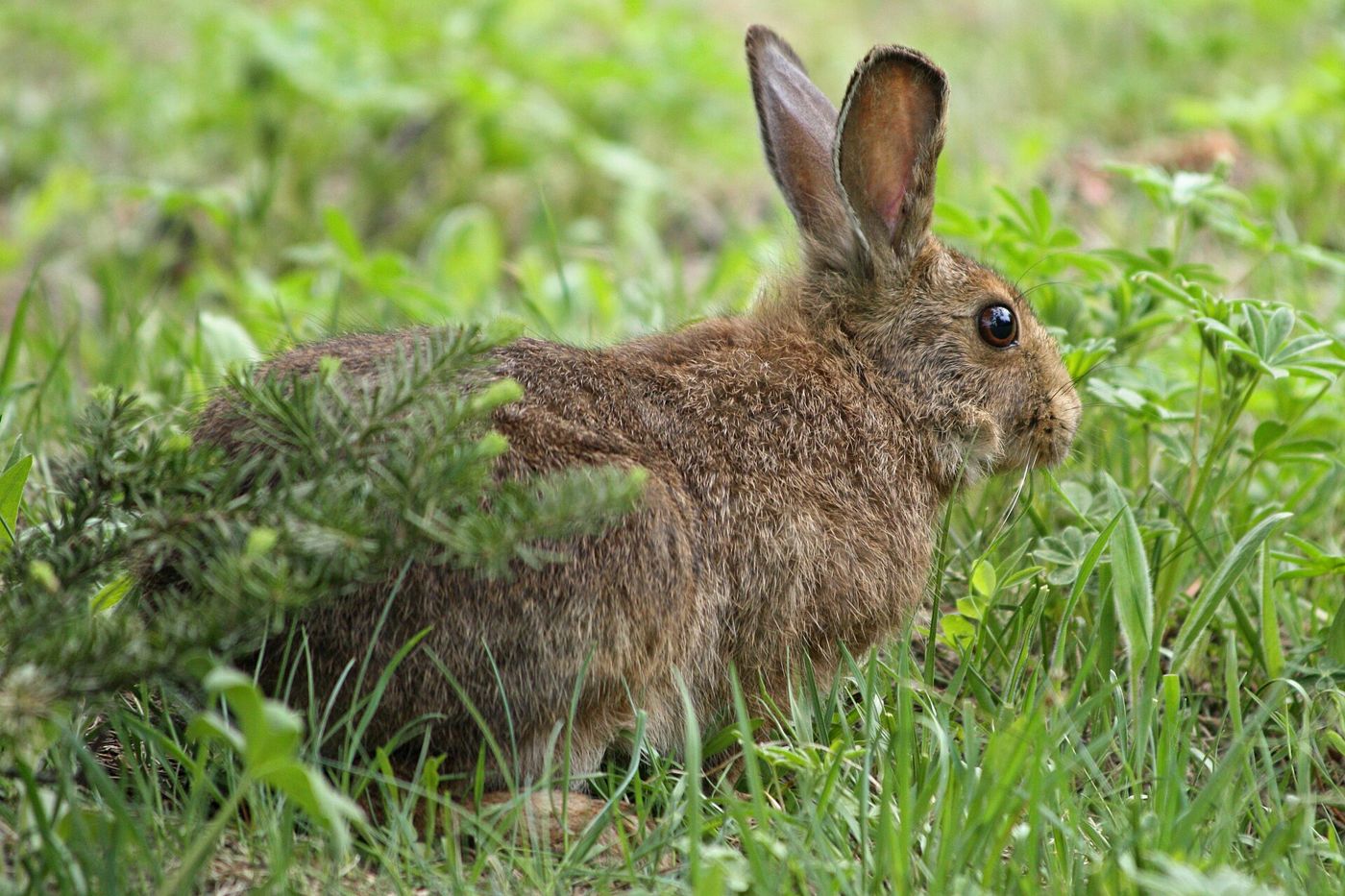
Why such a distinct brand name? The mountain was the "most southerly home of snowshoe hares, which gave the resort its name."3

Opening day
Snowshoe officially opened with a rope drop on December 19, 1974.2 The first skiers came onto a ridge that had been logged within the past fifteen years.
The slopes were named for the logging that came before: Skidder, Ballhooter, Whistlepunk, Gandy Dancer and Powder Monkey.3 Cupp Run and Shay's Revenge, the long runs on the western side, came later. Jean-Claude Killy, the triple Olympic gold medalist of 1968, helped design Cupp Run. It and Shay's Revenge share a vertical drop of 1,500 feet.4
A neighbor at Silver Creek
In 1983 a second ski area, Silver Creek, opened about half a mile down the mountain under different ownership.35 In the late 1980s a group led by businessman Fred Haddad bought Silver Creek and sold it to two Charleston real estate agents.4
Bankruptcy
The first decade was hard. The resort was plagued by financial problems, and saw not only two insolvencies but "several trips to bankruptcy court."63
In 1984 the resort's operating company went into bankruptcy and a trustee took over operations. Danny Seme, one of the founding team, stayed on through the trustee period.7
In September 1986 a judge approved selling the resort to a panel of its creditors. The price was $13.4 million.8 By 1987 the owner was Ski Venture, tied to a group of eight savings and loan banks.7
The Tokyo Tower years, 1990 to 1995
In 1990 Tokyo Tower Development Company, a Japanese developer of leisure facilities, bought Snowshoe for about $20 million, one of several American ski areas bought by Japanese companies in that era.69
The resort grew under Tokyo Tower. The Inn at Snowshoe and a Gary Player designed golf course were projects of the period.7 Snowshoe bought Silver Creek in 1992, and the two mountains moved to a single lift ticket.34
Intrawest, 1995 to 2017
In 1995 Snowshoe was sold to Intrawest, a Canadian company known for building pedestrian villages at the base, or in Snowshoe's case the top, of ski mountains. Intrawest paid about $40 million for Snowshoe and Silver Creek.10
Intrawest spent money quickly. By 1997 it had invested $12 million, including the Ballhooter high-speed quad, more snowmaking and a tubing hill.11
The village is Intrawest's work. Rimfire Lodge opened in 1999 as the first piece of what the company called the Wildcat Village, a name that did not last.4 Highland House, two phases of Allegheny Springs, The Seneca and Expedition Station followed. Soaring Eagle Lodge (2006) and Sawmill Village (2007) were built as outside neighborhoods. A project called Eight Rivers was to break ground in 2007 and was postponed; its site now holds a small surface lift used partly by the ski school.4
St. Bernard Chapel, a joint project of the resort's owners and the Catholic and Episcopal churches, was built in 2005, during these years.1213
Fortress, 2006 to 2017
Intrawest kept Snowshoe, but Intrawest itself changed hands. On October 26, 2006, Fortress Investment Group, a New York investment firm, bought the whole company, and Snowshoe with it, for $2.8 billion.10 Snowshoe did not change operators. Its new owner was the investment fund that owned its operator. Fortress took Intrawest public on the New York Stock Exchange in February 2014 under the ticker SNOW.10 In 2017 that public company, Fortress-controlled Intrawest, was sold to the partnership that became Alterra, which is how Snowshoe passed to its current owner.14
Alterra, 2017 to now
In April 2017 a joint venture of KSL Capital Partners and Henry Crown and Company agreed to buy Intrawest, and on July 31, 2017 it completed the purchase, valued at about $1.5 billion, of a company whose resorts included "Snowshoe Mountain Resort in West Virginia."14 In January 2018 the new operating company took the name Alterra Mountain Company. It is based in Denver.
Alterra owns and operates Snowshoe today.
The ownership chain at a glance
- 1973 to 1984: Thomas Brigham and his partners.
- 1984 to 1986: bankruptcy trustee.
- 1986 to 1990: creditors' panel of lenders; Ski Venture's role unclear.
- 1990 to 1995: Tokyo Tower Development Co.
- 1995 to 2006: Intrawest Corporation.
- 2006 to 2017: Intrawest, owned by Fortress Investment Group from 2006 and publicly traded from 2014.
- 2017 to present: KSL Capital Partners and Henry Crown and Co., operating as Alterra Mountain Company from 2018.
By the numbers
Today, Snowshoe operates 244 skiable acres across 11,000 total, with 60 slopes and trails across Snowshoe and Silver Creek, 1,400 condominium and lodge units, about 480,000 skier visits a year, and a winter season of a little over 130 days.4
Sources
- Wikipedia, "Cheat Mountain" (CC BY-SA)
- Pocahontas Times, "Snowshoe Mountain Resort: From meager beginnings to a village in the sky"
- e-WV: The West Virginia Encyclopedia, "Snowshoe Mountain Resort"
- Wikipedia, "Snowshoe Mountain" (CC BY-SA)
- Pocahontas Times, "Silver Creek: 40 years of family friendly fun"
- West Virginia Archives and History, Snowshoe history page
- WV SnowSports Museum, "Danny Seme"
- Washington Post, "Judge backs sale of Snowshoe resort to creditors' panel for $13.4 million" (Sept. 27, 1986)
- PeakRankings, "Japan and U.S. ski resort ownership"
- New England Ski History, "Intrawest"
- DCSki, article 1790 (Intrawest investment at Snowshoe)
- Omni Associates Architects, Expression of Interest to WV DNR, FY2016 (PDF, portfolio pages)
- St. John Neumann Parish (Pocahontas Catholic), "St. Bernard Chapel"
- KSL Capital Partners, "Affiliates of KSL Capital Partners and Henry Crown and Company Complete Transactions to Combine Three Major Resort Companies" (July 31, 2017)
Published 2026-10-29. Corrections: see About.